

As a supplier of vacuum interrupters for VCB (Vacuum Circuit Breaker), I understand the critical role that quality inspection plays in ensuring the reliability and performance of these essential components. In this blog post, I will delve into the standards for the quality inspection of a vacuum interrupter for VCB, sharing insights based on my experience in the industry.
1. Introduction to Vacuum Interrupters for VCB
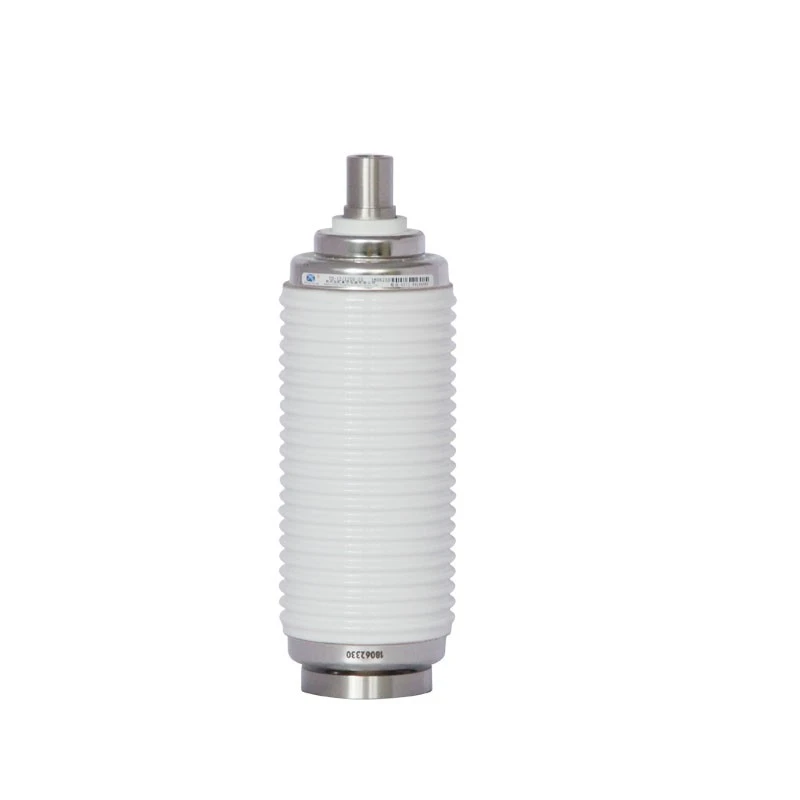
Vacuum interrupters are at the heart of VCBs, which are widely used in electrical power systems for protecting and controlling electrical circuits. The vacuum interrupter operates by extinguishing the electric arc that forms when the circuit breaker opens or closes. Its performance directly affects the overall performance and safety of the VCB.
When it comes to choosing a vacuum interrupter for VCB, customers often look for products that meet high - quality standards. As a supplier, we are committed to providing vacuum interrupters that not only meet but exceed these expectations. You can learn more about our Vacuum Interrupters for Circuit Breaker.
2. Key Quality Inspection Standards
2.1 Vacuum Level
The vacuum level inside the interrupter is one of the most crucial factors. A high - quality vacuum interrupter should maintain an extremely low pressure, typically in the range of 10⁻⁴ to 10⁻⁶ Pa. This low pressure is essential for effective arc extinction. To measure the vacuum level, we use specialized equipment such as Penning gauges or cold cathode gauges. Any deviation from the specified vacuum level can lead to poor arc - quenching performance and potential failure of the VCB.
2.2 Contact Resistance
Contact resistance is another important parameter. Low contact resistance ensures efficient current flow through the interrupter and reduces power losses. We measure contact resistance using the four - wire method, which provides accurate results. The contact resistance should be within a specified range, usually in the order of micro - ohms. High contact resistance can cause overheating, which may damage the contacts and ultimately lead to the failure of the interrupter.
2.3 Dielectric Strength
Dielectric strength refers to the ability of the vacuum interrupter to withstand high voltages without breaking down. We conduct high - voltage tests to measure the dielectric strength. The interrupter should be able to withstand the rated voltage and a certain over - voltage for a specified period without any electrical breakdown. This is crucial for the safe operation of the VCB in high - voltage environments. Our Vacuum Interrupter for MV VCB is designed to meet strict dielectric strength requirements.
2.4 Contact Erosion
During the operation of the VCB, the contacts of the vacuum interrupter are subject to erosion due to the high - energy electric arc. We inspect the contact erosion using microscopic examination and dimensional measurement. Excessive contact erosion can reduce the contact area, increase contact resistance, and degrade the arc - quenching performance. The amount of contact erosion should be within acceptable limits, and if it exceeds the specified value, the interrupter may need to be replaced.
2.5 Mechanical Performance
The mechanical performance of the vacuum interrupter is also vital. This includes the opening and closing time, contact travel, and contact bounce. Precise opening and closing times ensure timely interruption of the circuit, while proper contact travel and minimal contact bounce are necessary for stable operation. We use high - speed cameras and displacement sensors to measure these mechanical parameters. Any mechanical malfunction can lead to improper operation of the VCB and pose a risk to the electrical system.
3. Inspection Process
3.1 Incoming Material Inspection
Before the manufacturing process begins, we conduct a thorough inspection of the incoming materials, such as the contact materials, ceramic envelopes, and metal components. The quality of these materials directly affects the performance of the final product. We check the material composition, purity, and mechanical properties to ensure they meet our specifications.
3.2 In - process Inspection
During the manufacturing process, we carry out in - process inspections at various stages. This includes checking the assembly quality, such as the alignment of the contacts and the sealing of the envelope. We also perform electrical and mechanical tests on the semi - finished products to detect any potential defects early in the process.
3.3 Final Product Inspection
After the manufacturing is completed, each vacuum interrupter undergoes a comprehensive final product inspection. This includes all the tests mentioned above, such as vacuum level measurement, contact resistance measurement, dielectric strength test, and mechanical performance test. Only the products that pass all the tests are considered qualified and ready for shipment. Our 11KV Vacuum Interrupter goes through a rigorous final inspection to ensure its quality.
4. Quality Assurance and Certification
We have established a strict quality assurance system to ensure that all our vacuum interrupters for VCB meet international standards. Our products are certified by relevant international organizations, which is a testament to their high quality. We also continuously improve our quality control processes based on customer feedback and technological advancements.
5. Importance of Quality Inspection for Customers
For customers, purchasing high - quality vacuum interrupters for VCB is crucial. High - quality products ensure the reliable operation of the VCB, reduce maintenance costs, and enhance the safety of the electrical system. By choosing our vacuum interrupters, customers can have peace of mind knowing that they are getting products that meet the highest quality standards.

6. Invitation to Contact for Purchase and Negotiation
If you are in the market for vacuum interrupters for VCB, we invite you to contact us for purchase and negotiation. Our team of experts is ready to provide you with detailed product information, technical support, and competitive pricing. We are committed to meeting your specific requirements and providing you with the best - quality products.
References
- "Handbook of Vacuum Technology"
- "Electrical Power System Protection"
- Industry standards related to vacuum interrupters for VCB