

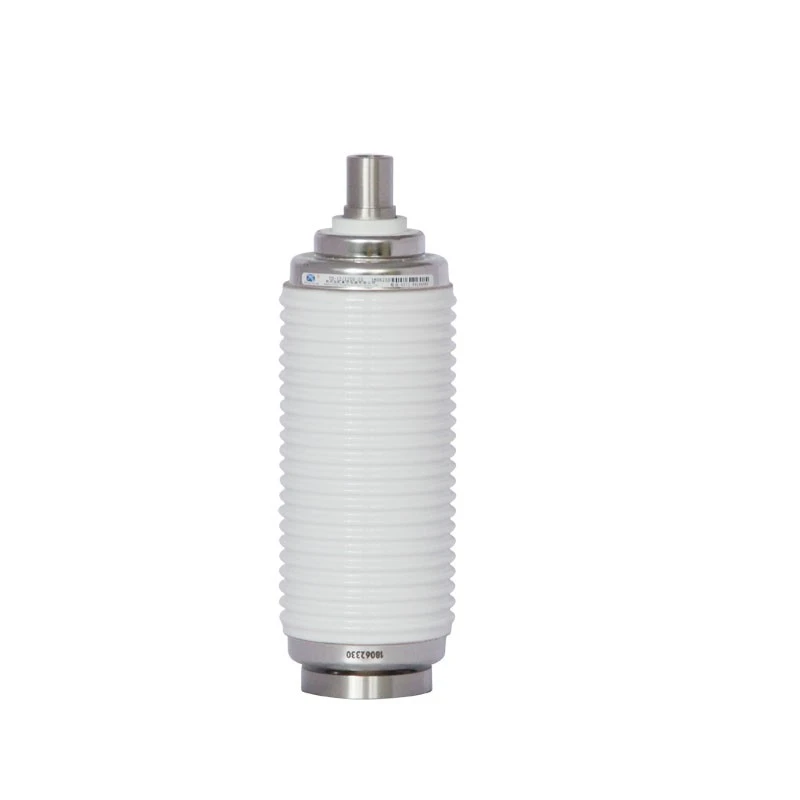
As a supplier of vacuum interrupters for Vacuum Circuit Breakers (VCBs), I've witnessed firsthand the critical role these components play in electrical systems. Vacuum interrupters are at the heart of VCBs, responsible for interrupting the current flow during a fault or normal operation. Their performance is not only crucial for the safety and reliability of the electrical network but also highly dependent on the environmental conditions in which they operate. In this blog, I'll delve into the environmental adaptability requirements for vacuum interrupters for VCBs.
Temperature Adaptability
Temperature is one of the most significant environmental factors affecting the performance of vacuum interrupters. Extreme temperatures can have a profound impact on the materials and the internal vacuum environment of the interrupter.
High - Temperature Conditions
In high - temperature environments, the materials used in vacuum interrupters can experience thermal expansion. This can lead to changes in the mechanical dimensions of the components, such as the contact gap. If the contact gap changes significantly, it can affect the arc - quenching ability of the interrupter. For example, an increase in the contact gap may require a higher voltage to maintain the arc, which could potentially lead to re - ignition after the current interruption.
Moreover, high temperatures can accelerate the outgassing process of the materials inside the interrupter. Outgassing releases gas molecules into the vacuum chamber, which can degrade the vacuum level. A lower vacuum level reduces the dielectric strength of the interrupter, making it more prone to electrical breakdown. As a supplier, we ensure that our Vacuum Interrupters for Circuit Breaker are made of materials with low outgassing rates and high thermal stability. Our products are designed to withstand high - temperature environments, typically up to 85°C or even higher in some specialized applications.
Low - Temperature Conditions
Low temperatures also pose challenges to vacuum interrupters. At low temperatures, the lubricants used in moving parts may become viscous, which can impede the smooth operation of the contacts. This can result in longer contact closing and opening times, affecting the overall performance of the VCB.
In addition, the materials may become more brittle at low temperatures. The ceramic insulators, which are commonly used in vacuum interrupters, are particularly susceptible to thermal shock. A sudden change in temperature can cause cracks in the ceramic, compromising the electrical insulation and the vacuum integrity of the interrupter. Our Vacuum Interrupter for Low VCB are engineered to withstand low - temperature conditions, with proper selection of materials and insulation design to prevent thermal shock and ensure reliable operation even in cold climates.
Humidity and Moisture Resistance
Humidity and moisture can have a detrimental effect on vacuum interrupters. Moisture can condense on the surface of the insulators, reducing their surface resistivity. This can lead to surface leakage currents, which not only waste energy but also increase the risk of electrical breakdown.
In high - humidity environments, the metal components of the interrupter can also corrode. Corrosion can weaken the mechanical structure of the contacts and other parts, leading to poor electrical contact and potential failure of the interrupter. To address these issues, we apply special coatings on the insulators and metal parts of our vacuum interrupters. These coatings act as a barrier against moisture and prevent corrosion. Our Vacuum Interrupter for MV VCB are designed to meet strict humidity and moisture resistance standards, ensuring reliable operation in a wide range of environmental conditions.

Altitude and Atmospheric Pressure
Altitude affects the performance of vacuum interrupters due to the change in atmospheric pressure. At higher altitudes, the atmospheric pressure is lower. This can impact the heat dissipation of the interrupter because the lower air density reduces the convective heat transfer efficiency. As a result, the interrupter may operate at a higher temperature than at sea level, even under the same load conditions.
In addition, the lower atmospheric pressure can also affect the dielectric strength of the external insulation of the VCB. The reduced air density means that there are fewer air molecules to absorb and dissipate the electrical energy, increasing the risk of external flashover. Our vacuum interrupters are designed to compensate for the effects of altitude. We use advanced heat - dissipation designs and optimize the external insulation structure to ensure that our products can operate safely and reliably at high altitudes.
Dust and Pollution Resistance
In industrial and outdoor environments, dust and pollution can accumulate on the surface of vacuum interrupters. Dust particles can act as conductive paths, increasing the surface leakage current and reducing the dielectric strength of the insulators. Pollutants such as sulfur dioxide and salt can also corrode the metal components and degrade the insulation materials.
To protect our vacuum interrupters from dust and pollution, we use enclosures with high - quality seals. These enclosures prevent dust and pollutants from entering the interrupter and damaging the internal components. Additionally, we conduct regular tests on our products to ensure their resistance to dust and pollution, so that they can perform well in harsh industrial and outdoor environments.
Vibration and Shock Resistance
VCBs are often installed in locations where they may be subjected to vibration and shock, such as on moving vehicles or in industrial machinery. Vibration and shock can cause mechanical stress on the components of the vacuum interrupter, potentially leading to loose connections, cracks in the insulators, or damage to the contacts.
We design our vacuum interrupters with robust mechanical structures to withstand vibration and shock. We use high - strength materials and advanced manufacturing techniques to ensure that the components are firmly fixed and can resist the forces generated by vibration and shock. Our products undergo rigorous vibration and shock tests to meet the relevant standards and ensure reliable operation in dynamic environments.
Conclusion
The environmental adaptability of vacuum interrupters for VCBs is of utmost importance for their reliable performance in various applications. As a supplier, we are committed to developing and manufacturing vacuum interrupters that can meet the diverse environmental requirements. Our products are designed to withstand extreme temperatures, humidity, altitude variations, dust, pollution, vibration, and shock.
If you are in need of high - quality vacuum interrupters for your VCB applications, we invite you to contact us for procurement and further discussions. Our team of experts is ready to provide you with detailed information and customized solutions to meet your specific needs.
References
- "Handbook of Vacuum Science and Technology"
- "Electrical Insulation for High - Voltage Equipment"
- "Circuit Breaker Technology and Applications"