


Hey there! I'm an indoor vacuum circuit breaker supplier, and today I wanna chat about the vacuum degree requirement in the vacuum interrupter of an indoor vacuum circuit breaker.
Let's start by understanding what a vacuum interrupter is. It's a key component in an indoor vacuum circuit breaker. The basic idea behind it is to use a vacuum environment to interrupt the electrical current. When the circuit breaker needs to cut off the current, the contacts inside the vacuum interrupter separate, and the arc that forms between them is quickly extinguished due to the unique properties of the vacuum.
Now, why is the vacuum degree so important? Well, the performance of the vacuum interrupter largely depends on maintaining a proper vacuum. A high - quality vacuum can ensure reliable arc interruption, reduce the wear of contacts, and extend the service life of the circuit breaker.
Ideal Vacuum Degree in Vacuum Interrupters
The ideal vacuum degree in a vacuum interrupter for an indoor vacuum circuit breaker is typically in the range of 10⁻⁴ to 10⁻⁶ Pa. This ultra - low pressure environment is crucial for several reasons.
First of all, in such a high - vacuum environment, there are very few gas molecules. When the contacts in the vacuum interrupter separate and an arc is generated, the lack of gas molecules means there are fewer opportunities for the arc to be sustained by ionized gas. This allows the arc to be extinguished rapidly.
Secondly, a proper vacuum degree helps to prevent the oxidation and corrosion of the contacts. In a normal atmospheric environment, the contacts would be exposed to oxygen and other reactive gases, which could lead to the formation of oxides on the contact surfaces. These oxides can increase the contact resistance, generate more heat during operation, and eventually affect the performance and safety of the circuit breaker. But in a high - vacuum environment, this problem is greatly reduced.
Factors Affecting Vacuum Degree
There are several factors that can affect the vacuum degree in a vacuum interrupter. One of the main factors is the quality of the manufacturing process. If there are any tiny leaks in the vacuum interrupter during the manufacturing process, the vacuum degree will gradually decrease over time. Even a very small leak can allow air to slowly seep into the interrupter, compromising the vacuum.
Another factor is the aging of the materials. Over time, the materials used in the vacuum interrupter, such as the insulation materials and the metal components, may release some gas molecules. This outgassing can also reduce the vacuum degree.
The operating conditions of the circuit breaker can also have an impact. For example, if the circuit breaker is frequently operated in a high - temperature environment, the rate of outgassing from the materials may increase, leading to a decrease in the vacuum degree.
Monitoring the Vacuum Degree
Since the vacuum degree is so important, it's necessary to monitor it regularly. There are several methods for monitoring the vacuum degree in a vacuum interrupter.
One common method is the use of a vacuum gauge. Some advanced vacuum interrupters are equipped with built - in vacuum gauges that can provide real - time information about the vacuum degree. This allows operators to detect any changes in the vacuum degree early and take appropriate measures.

Another method is to use electrical testing. By measuring certain electrical parameters of the vacuum interrupter, such as the contact resistance and the breakdown voltage, it's possible to infer the vacuum degree. If the contact resistance increases or the breakdown voltage decreases, it may indicate a decrease in the vacuum degree.
Impact of Insufficient Vacuum Degree
If the vacuum degree in the vacuum interrupter falls below the required level, it can have serious consequences.
The most obvious problem is the failure of arc interruption. When the vacuum degree is insufficient, there are more gas molecules in the interrupter. These gas molecules can be ionized by the arc, making it more difficult to extinguish the arc. This can lead to the circuit breaker being unable to cut off the current effectively, which may cause damage to the electrical equipment and even pose a safety hazard.
In addition, an insufficient vacuum degree can also accelerate the wear of the contacts. The presence of more gas molecules means more collisions between the gas ions and the contact surfaces, which can cause the contacts to erode more quickly. This will shorten the service life of the circuit breaker and increase the maintenance cost.
Meeting the Vacuum Degree Requirement
As an indoor vacuum circuit breaker supplier, we take several measures to ensure that the vacuum interrupters in our products meet the required vacuum degree.
During the manufacturing process, we use high - precision equipment to assemble the vacuum interrupters. We conduct strict leak - testing to ensure that there are no leaks in the interrupters. After the assembly, we also perform a long - term aging test to allow the materials to outgas in a controlled environment before the final packaging.
We also provide regular maintenance and inspection services to our customers. Our technicians can use advanced testing equipment to monitor the vacuum degree of the vacuum interrupters in the circuit breakers and provide timely maintenance and replacement if necessary.
Our Product Range
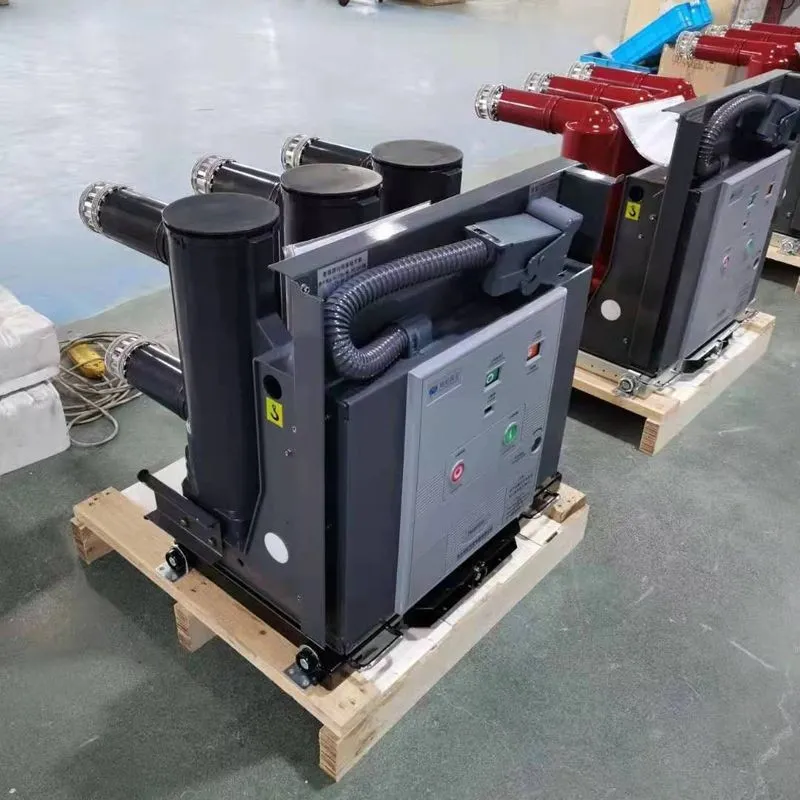
We offer a wide range of indoor vacuum circuit breakers, including the Low Voltage Vacuum Circuit Breaker and the Vacuum Interrupter Circuit Breaker. These products are designed to meet the different needs of our customers in various electrical systems.
Conclusion
In conclusion, the vacuum degree in the vacuum interrupter of an indoor vacuum circuit breaker is a critical parameter. Maintaining the proper vacuum degree is essential for the reliable operation, arc interruption, and long - term performance of the circuit breaker. As a supplier, we are committed to providing high - quality products that meet the strict vacuum degree requirements.
If you're interested in our indoor vacuum circuit breakers or have any questions about the vacuum degree requirements, feel free to contact us for a purchase negotiation. We're always here to offer you the best solutions for your electrical needs.
References
- Electrical Power System Basics: Principles and Applications, by John Wiley & Sons
- Handbook of Vacuum Physics, by Academic Press


