

Hey there! As a supplier of indoor vacuum circuit breakers, I often get asked about electromagnetic compatibility (EMC). So, let's dive right into what the electromagnetic compatibility of an indoor vacuum circuit breaker is and why it's so important.
To start off, what exactly is electromagnetic compatibility? In simple terms, EMC refers to the ability of an electrical or electronic device to function properly in its electromagnetic environment without causing or suffering unacceptable electromagnetic interference (EMI) to other devices in that same environment. For an indoor vacuum circuit breaker, this means it should be able to perform its job of interrupting electrical circuits safely and efficiently without creating a bunch of electromagnetic noise that could mess with other equipment nearby.
One of the key aspects of EMC for an indoor vacuum circuit breaker is radiated emissions. When the circuit breaker is operating, especially during the opening and closing processes, it can generate electromagnetic fields that radiate out into the surrounding space. These radiated emissions need to be kept under control. If they're too strong, they can interfere with other sensitive electronic devices in the vicinity, like communication systems, control panels, or other monitoring equipment. For example, excessive radiated emissions could cause glitches in a nearby computer system or disrupt the communication signals of a wireless device.

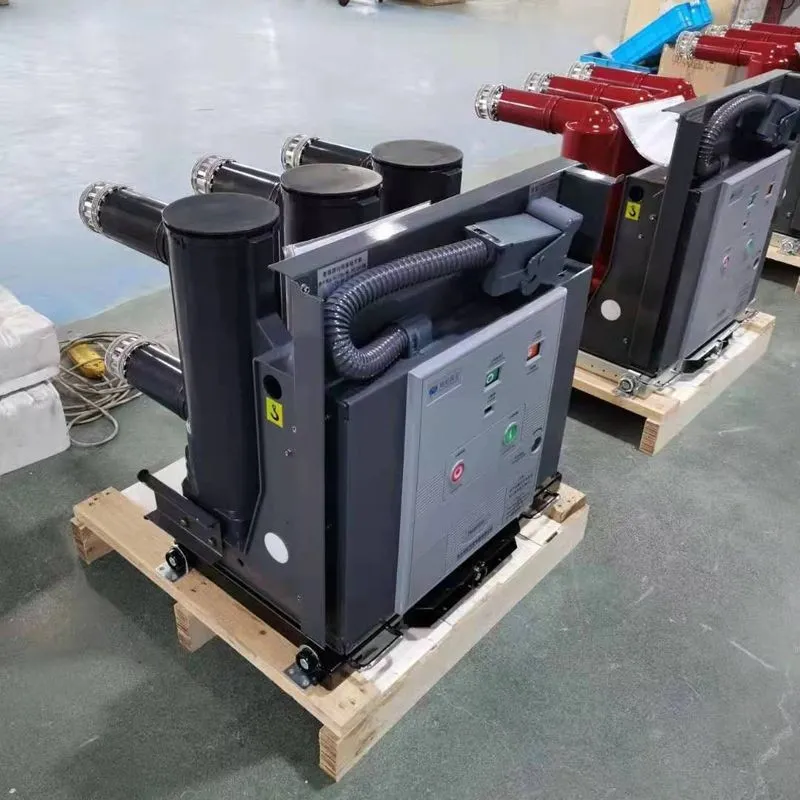
Conducted emissions are another crucial part of the equation. The circuit breaker is connected to the electrical network, and it can introduce electrical noise into the power lines. This noise can then travel along the wires and affect other devices connected to the same network. To prevent this, we need to design the indoor vacuum circuit breaker in a way that minimizes conducted emissions. This might involve using proper filtering techniques, grounding strategies, and shielded cables.
So, how do we ensure good EMC for our indoor vacuum circuit breakers? Well, it all starts with the design phase. We use advanced software tools to simulate the electromagnetic behavior of the circuit breaker during different operating conditions. This helps us identify potential sources of EMI and make necessary adjustments to the design. For instance, we can optimize the shape and layout of the internal components to reduce electromagnetic field radiation.
We also pay a lot of attention to the materials used in the circuit breaker. High - quality insulation materials are used to prevent electrical leakage and reduce the chances of generating unwanted electromagnetic signals. The mechanical parts are designed to operate smoothly, as rough or uneven movement can also lead to increased EMI.
Moreover, during the manufacturing process, we implement strict quality control measures. Each circuit breaker undergoes comprehensive EMC testing to ensure it meets the required standards. We use specialized test equipment to measure both radiated and conducted emissions. If a circuit breaker fails to meet the EMC criteria, it goes through further analysis and improvement before it can be shipped out.
Now, let's talk about the benefits of having good EMC in an indoor vacuum circuit breaker. Firstly, it enhances the reliability of the entire electrical system. When the circuit breaker doesn't generate excessive EMI, other devices in the system can function properly without getting interrupted. This means fewer system failures and less downtime for maintenance and repairs.
Secondly, it helps in achieving regulatory compliance. There are various national and international standards for EMC, such as CISPR (International Special Committee on Radio Interference) and FCC (Federal Communications Commission) regulations in the United States. By ensuring good EMC of our indoor vacuum circuit breakers, we can meet these requirements and make sure our products can be legally sold and used in different markets.
As a supplier, we offer different types of indoor vacuum circuit breakers. You might be interested in our Vacuum Interrupter Circuit Breaker. This type of circuit breaker uses a vacuum interrupter to interrupt the electrical current, which provides excellent performance in terms of breaking capacity and reliability. And if you're looking for a solution for lower voltage applications, our Low Voltage Vacuum Circuit Breaker is a great option. It's designed to handle lower voltage levels while still maintaining high - quality EMC performance.
If you're in the market for indoor vacuum circuit breakers and are concerned about electromagnetic compatibility, we're here to help. We have a team of experts who can answer all your questions and provide you with the best solutions for your specific needs. Whether you're working on a small - scale industrial project or a large - scale commercial installation, we've got the right circuit breaker for you.
So, don't hesitate to reach out to us for more information or to start a discussion about a potential purchase. Just contact us and let's see how we can work together to meet your electrical protection requirements.
References:
- CISPR Standards Publication
- FCC EMC Regulations Handbook