


Hey there! As a supplier of indoor vacuum circuit breakers, I know how crucial it is to keep an eye on their status. In this blog, I'll share some practical ways to monitor the status of an indoor vacuum circuit breaker.
Why Monitor the Status?
Before we dive into the monitoring methods, let's talk about why it's so important. Indoor vacuum circuit breakers play a vital role in electrical systems. They protect equipment and prevent electrical accidents by interrupting the circuit when there's a fault. By monitoring their status, we can detect potential issues early, reduce downtime, and ensure the safety and reliability of the electrical system.
Visual Inspection
One of the simplest and most straightforward ways to monitor an indoor vacuum circuit breaker is through visual inspection. Regularly check the breaker for any signs of physical damage, such as cracks, burns, or loose connections. Look at the indicator lights to see if they're functioning properly. If you notice any abnormal indicators, it could be a sign of a problem.
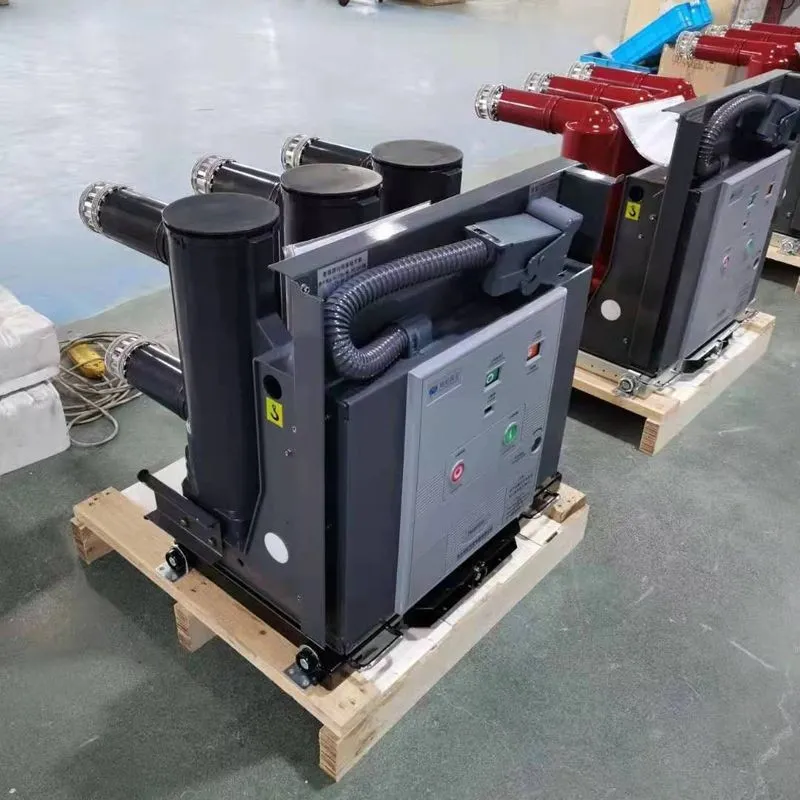

For example, if the "open" or "closed" indicator light isn't working as it should, there might be an issue with the breaker's operating mechanism. Also, check the vacuum interrupter. A healthy vacuum interrupter should have a clear, clean appearance. Any discoloration or cloudiness could indicate a loss of vacuum, which is a serious problem. You can learn more about vacuum interrupter circuit breakers here.
Temperature Monitoring
Temperature is a key indicator of the health of an indoor vacuum circuit breaker. High temperatures can cause damage to the breaker's components and reduce its lifespan. You can use infrared thermometers or thermal imaging cameras to monitor the temperature of the breaker.
Check the temperature of the contacts, the busbars, and the vacuum interrupter. If you notice a significant increase in temperature compared to normal operating conditions, it could be a sign of overloading, poor contact, or other issues. For instance, if the contacts are overheating, it might be due to excessive current flow or a loose connection. Regular temperature monitoring can help you catch these problems before they lead to a major failure.
Electrical Parameter Monitoring
Monitoring electrical parameters such as current, voltage, and resistance is also essential. You can use ammeters, voltmeters, and ohmmeters to measure these parameters. Keep an eye on the current flowing through the breaker. If the current is consistently higher than the rated value, it could indicate an overloading situation.
Voltage monitoring can help you detect any abnormal voltage fluctuations. For example, if the voltage across the breaker is too high or too low, it could affect the breaker's performance. Resistance measurement can be used to check the integrity of the contacts. A high resistance value might suggest a poor contact or a damaged component.
Operating Mechanism Monitoring
The operating mechanism of the indoor vacuum circuit breaker is responsible for opening and closing the circuit. Monitoring its performance is crucial. You can use sensors to detect the position of the breaker's contacts, the speed of operation, and the number of operations.
If the breaker takes too long to open or close, or if the number of operations exceeds the recommended limit, it could be a sign of wear and tear on the operating mechanism. Regularly lubricating the moving parts and checking the mechanical linkages can help ensure the smooth operation of the mechanism.
Diagnostic Tests
In addition to the above monitoring methods, periodic diagnostic tests can provide more in - depth information about the breaker's status. Tests such as contact resistance measurement, insulation resistance measurement, and vacuum integrity testing can help you identify potential problems that might not be apparent through normal monitoring.
Contact resistance measurement can detect any degradation of the contacts over time. Insulation resistance measurement can check the condition of the insulation materials. Vacuum integrity testing is especially important for vacuum circuit breakers. A loss of vacuum can significantly reduce the breaker's ability to interrupt the circuit. You can find more details about low - voltage vacuum circuit breakers here.
Data Logging and Analysis
To make the most of the monitoring data, it's a good idea to implement a data logging system. Record all the monitoring data, including temperature, electrical parameters, and diagnostic test results. Analyze this data over time to identify trends and patterns.
For example, if you notice a gradual increase in contact resistance over several months, it could be a sign of impending contact failure. By analyzing the data, you can schedule maintenance or replacement in advance, reducing the risk of unplanned downtime.
Communication and Remote Monitoring
With the development of technology, remote monitoring has become a popular option. You can use communication protocols such as Modbus or Ethernet to connect the indoor vacuum circuit breaker to a central monitoring system. This allows you to monitor the breaker's status from a remote location.
Remote monitoring is especially useful for large electrical systems or for facilities that are difficult to access. You can receive real - time alerts if there are any abnormal conditions, enabling you to take immediate action.
Conclusion
Monitoring the status of an indoor vacuum circuit breaker is a multi - faceted task that requires a combination of visual inspection, temperature monitoring, electrical parameter monitoring, and diagnostic tests. By implementing these monitoring methods, you can ensure the reliable operation of your electrical system and extend the lifespan of the breaker.
If you're in the market for high - quality indoor vacuum circuit breakers or need more information about monitoring and maintenance, don't hesitate to reach out. We're here to help you make the best decisions for your electrical needs. Let's start a conversation about your requirements and how we can meet them.
References
- Electrical Equipment Maintenance Handbook
- Vacuum Circuit Breaker Technical Manuals


