


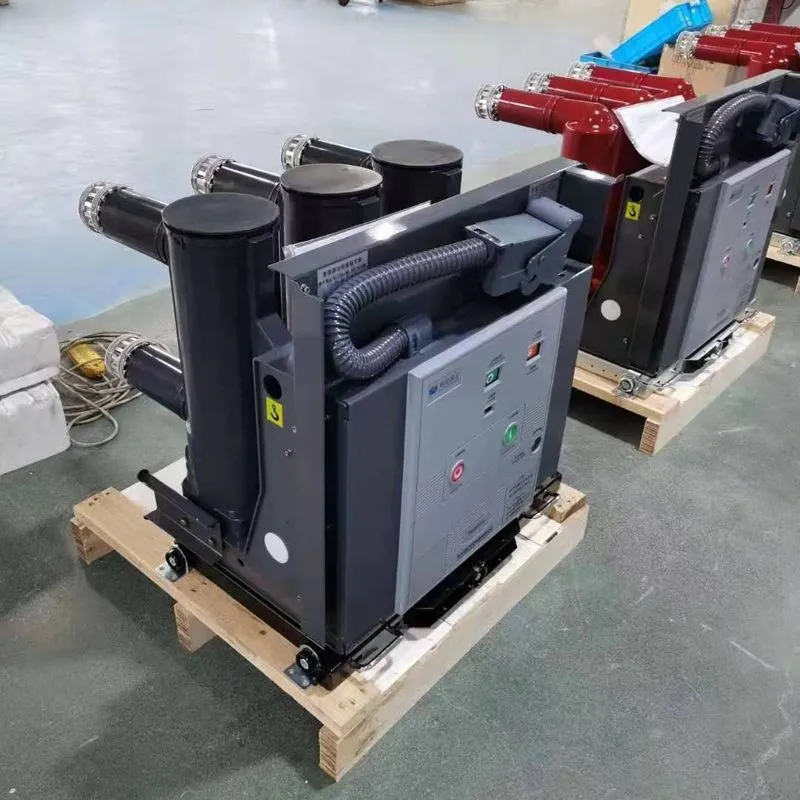
As a trusted supplier of indoor vacuum circuit breakers, I understand the critical importance of ensuring the reliable operation of the closing coil in these essential electrical devices. The closing coil plays a pivotal role in the proper functioning of an indoor vacuum circuit breaker, as it is responsible for initiating the closing operation of the breaker contacts. In this blog post, I will share some valuable insights and practical tips on how to ensure the reliable operation of the closing coil in an indoor vacuum circuit breaker.
Understanding the Closing Coil in an Indoor Vacuum Circuit Breaker
Before delving into the measures to ensure its reliable operation, it is essential to have a clear understanding of the closing coil and its function. The closing coil is an electromagnetic device that, when energized, generates a magnetic field. This magnetic field is used to actuate the mechanism that closes the contacts of the vacuum circuit breaker, allowing the flow of electrical current.
The reliable operation of the closing coil is crucial for the overall performance and safety of the indoor vacuum circuit breaker. A malfunctioning closing coil can lead to delayed or failed closing operations, which can result in power outages, equipment damage, and even pose a safety hazard to personnel.

Factors Affecting the Reliable Operation of the Closing Coil
Several factors can influence the reliable operation of the closing coil in an indoor vacuum circuit breaker. Understanding these factors is the first step in implementing effective measures to ensure its proper functioning.
1. Electrical Supply
The quality and stability of the electrical supply to the closing coil are of utmost importance. Fluctuations in voltage, frequency, or current can affect the performance of the coil. For instance, a low voltage supply may not provide sufficient energy to actuate the closing mechanism, while a high voltage can cause overheating and damage to the coil.
2. Coil Design and Quality
The design and quality of the closing coil itself play a significant role in its reliability. A well-designed coil should have appropriate dimensions, wire gauge, and insulation to withstand the electrical and mechanical stresses during operation. Poor quality materials or manufacturing defects can lead to premature failure of the coil.
3. Environmental Conditions
The operating environment can also impact the performance of the closing coil. High temperatures, humidity, dust, and corrosive substances can cause degradation of the coil's insulation and mechanical components. For example, excessive heat can reduce the insulation resistance of the coil, increasing the risk of short circuits.
4. Mechanical Wear and Tear
The closing mechanism of the vacuum circuit breaker is subject to mechanical wear and tear over time. This can affect the alignment and movement of the components associated with the closing coil, leading to improper operation. For instance, a misaligned linkage can prevent the coil from actuating the closing mechanism effectively.
Measures to Ensure the Reliable Operation of the Closing Coil
1. Proper Electrical Supply Management
- Voltage Regulation: Install voltage regulators or stabilizers to ensure a stable voltage supply to the closing coil. This helps to prevent voltage fluctuations that can affect the coil's performance.
- Power Quality Monitoring: Regularly monitor the power quality parameters such as voltage, frequency, and current to detect any abnormalities. This allows for timely corrective actions to be taken.
2. Quality Assurance in Coil Selection
- Choose Reputable Suppliers: Select closing coils from reputable manufacturers known for their high-quality products. Look for coils that meet relevant industry standards and have a proven track record of reliability.
- Inspection and Testing: Conduct thorough inspections and tests on the closing coils before installation. This includes checking for any visible defects, measuring the coil's resistance, and verifying its insulation properties.
3. Environmental Protection
- Enclosure Design: Provide a suitable enclosure for the indoor vacuum circuit breaker to protect the closing coil from harsh environmental conditions. The enclosure should be designed to prevent the ingress of dust, moisture, and corrosive substances.
- Temperature and Humidity Control: Install temperature and humidity sensors inside the enclosure and use appropriate heating, ventilation, and air conditioning (HVAC) systems to maintain optimal environmental conditions.
4. Regular Maintenance and Inspection
- Lubrication and Cleaning: Regularly lubricate the moving parts of the closing mechanism to reduce friction and wear. Clean the coil and its associated components to remove any dust or debris that may accumulate over time.
- Mechanical Alignment Checks: Periodically check the alignment of the mechanical components related to the closing coil. Ensure that all linkages, levers, and springs are properly adjusted and functioning correctly.
5. Monitoring and Diagnostic Systems
- Install Sensors: Use sensors to monitor the operating parameters of the closing coil, such as temperature, current, and voltage. These sensors can provide real-time data that can be used to detect any potential issues before they escalate.
- Condition Monitoring Software: Implement condition monitoring software that can analyze the data collected from the sensors. This software can generate alerts and provide insights into the health of the closing coil, allowing for proactive maintenance.
The Role of Indoor Vacuum Circuit Breakers in Electrical Systems
Indoor vacuum circuit breakers are widely used in various electrical systems, including industrial, commercial, and residential applications. They offer several advantages over traditional circuit breakers, such as high breaking capacity, long service life, and low maintenance requirements.
The reliable operation of the closing coil is essential for the proper functioning of indoor vacuum circuit breakers. A well-functioning closing coil ensures that the breaker can quickly and effectively close the contacts when required, allowing for the safe and efficient distribution of electrical power.
For more information about our Low Voltage Vacuum Circuit Breaker and Vacuum Interrupter Circuit Breaker, please feel free to explore our product range.
Conclusion
Ensuring the reliable operation of the closing coil in an indoor vacuum circuit breaker is crucial for the overall performance and safety of electrical systems. By understanding the factors that affect the coil's operation and implementing the appropriate measures, such as proper electrical supply management, quality coil selection, environmental protection, regular maintenance, and monitoring, we can significantly enhance the reliability of the closing coil.
As a leading supplier of indoor vacuum circuit breakers, we are committed to providing high-quality products and comprehensive solutions to meet the diverse needs of our customers. If you are interested in learning more about our products or have any questions regarding the reliable operation of closing coils, we encourage you to contact us for a detailed discussion. Our team of experts is ready to assist you in making the right choices for your electrical systems.
References
- Electrical Power Systems: Design and Analysis, Third Edition by Turan Gonen
- Handbook of Vacuum Arc Science and Technology: Fundamentals and Applications by M. M. Yovanovich and R. G. Ross
- Power System Protection and Switchgear by J. R. Lucas